Every cloth has a story.
Global South-native environmental and social metrics, and Digital Product Passport infrastructure for textile and fashion. Built in Indonesia, for how Indonesian value chains actually work.
 Cloth, colour, fastenings, stitching, each with its own origin and maker
 Seven metrics no Northern platform can compute
 A QR that stays alive for years after the sale
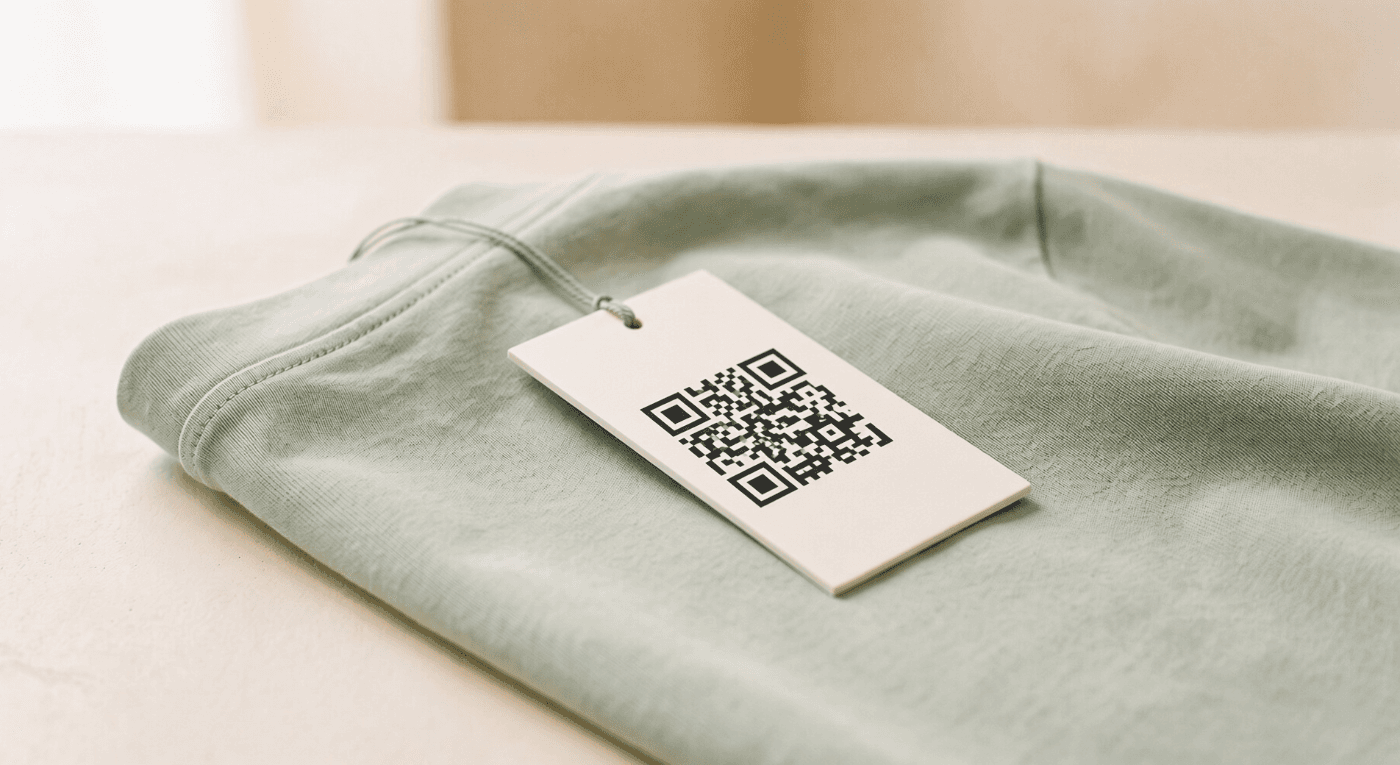
 You scanned a real product label


Verification systems were designed for conglomerates. A brand weaving with local cotton and plant dye prepared the way its makers' ancestors taught cannot afford to be believed inside them.
Mula inverts the order: documented truth carries the same dignity as certified truth. No evidence tier is gated, and no practice is disqualified for lacking a certificate.
 Why this exists
Northern platforms solve for large brands and Tier 1 factories. Mula solves for the rest of the chain.
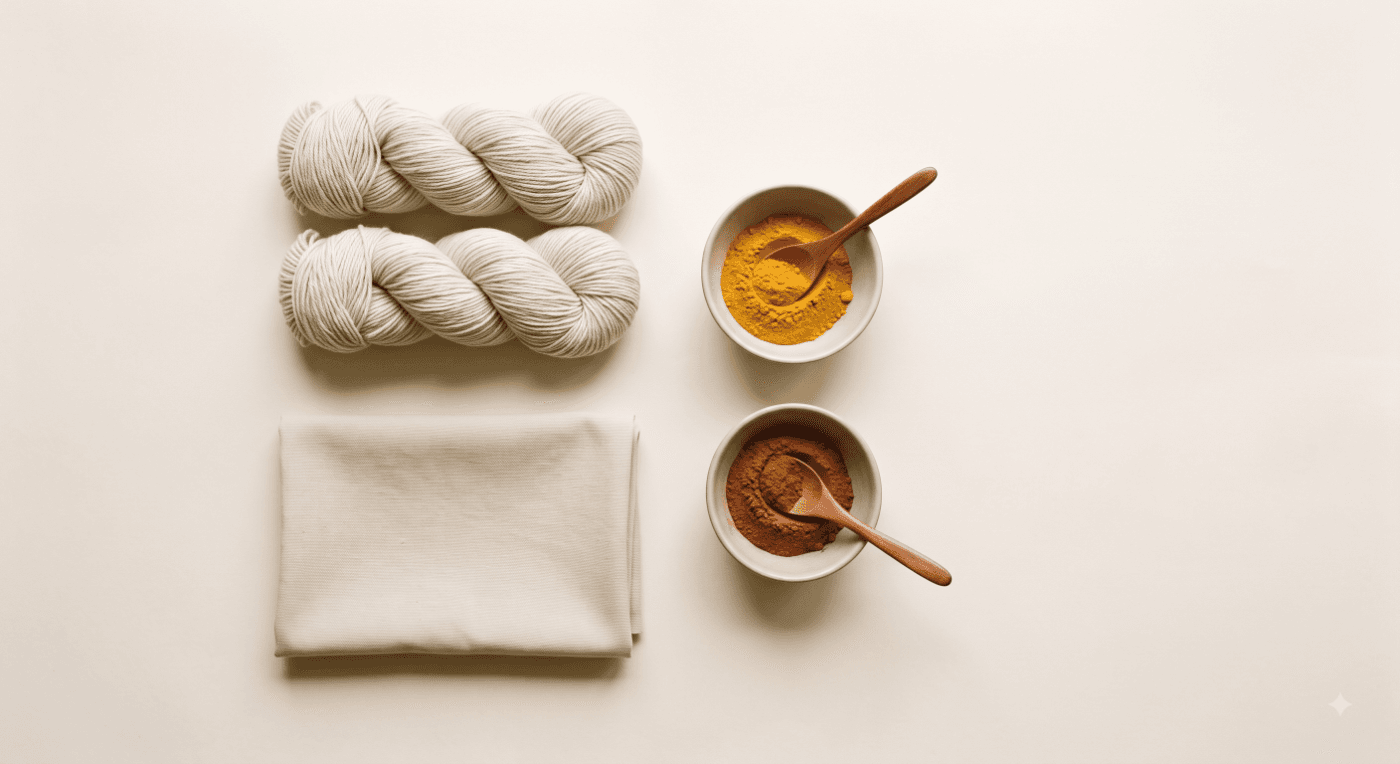
The data EU buyers ask for already exists in Indonesia. It exists in shapes their systems cannot read: a koperasi receipt, a voice note from a dyer, a handwritten batch book. Mula reads those shapes.

Makers are first-class records. The informal actor is an entity in the data model, not an edge case. Names and techniques appear only within the scope attested, and can be withdrawn.

Metrik Asli Global South. Passive energy, micro-scale water, local value retention, collective strength, craft transmission. Ambition lives in the dashboard; the passport carries verifiable facts only.

Grades score material, not budget. Certification is evidence, never an input to the grade. Origin and import distance are not inputs either.

 How it works
One scan, three chapters
The three questions a buyer always asks: where from, how long, then where to.

1 · Asal
Cloth, colour, fastenings and stitching, each entered and rendered with its own origin, supplier, and maker, and its evidence tier.

2 · Umur
Care, service life, and the repair policy, written by the brand and never invented by the platform.

3 · Daur Ulang
What the piece is made of in the terms a recycler needs, and where it can come back to.
Live exampleScan it yourself
Kain Kita is a demo brand. The flow is exactly what your customer sees: the product first, then three chapters, in Indonesian or English. The address is permanent from the first print.
See a live passportMula x Studio Sejauh
You scanned a real product label
 Pusat Belajar
Pusat Belajar, written in Bahasa Indonesia
Six modules in plain Bahasa Indonesia, in our own words, cited to primary sources.
 01
01Apa itu DPP
What a digital product passport holds, and who reads it.
 02
02Tanggal-tanggal penting
The verified EU timeline, framed as readiness.
- 03
Bagaimana konsumen memakainya
Scan culture, resale, aftercare, with every figure cited.
- 04
Untung-ruginya untuk merek
Cost, effort, and value, including the data risks named honestly.
 05
05Peran desain
Impact is locked at the design stage: mono-material and durability guidance.
 06
06Lebih dari kepatuhan
Resale, authentication, loyalty: value beyond the regulatory tick.
 Readiness check
Three questions, a score, no sign-up
Your brand is close. The first passport could publish this week.
Measures how complete the data is, not the worth of the product.
Full six-question check Invite only
Open to a small number of brands first
Onboarding is done by hand, one brand at a time, so that every brand is genuinely helped. If you make something with a journey of its own, we would like to hear about it.